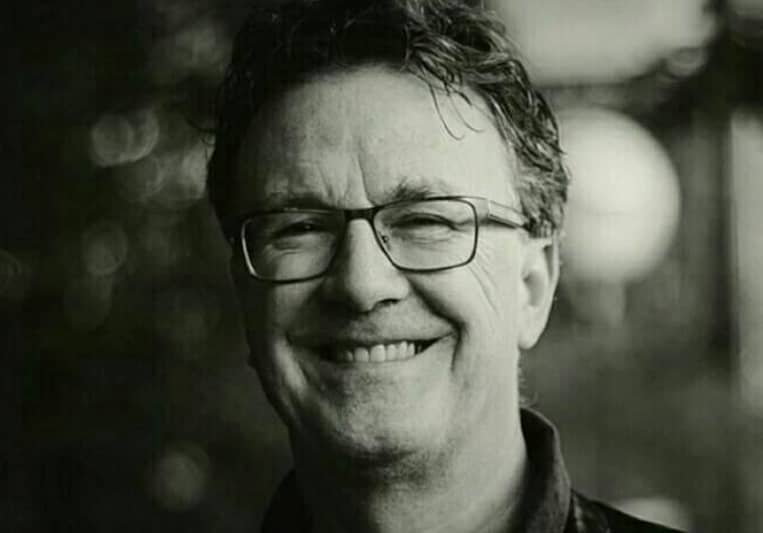
Richard Dobeson

Film Composer | Cinematic

starstarstarstarstar
1 Review
Richard Dobeson on SoundBetter

Film composer creating cinematic music for film and visual storytelling. I blend orchestral and electronic elements for emotion and narrative. Available for original scoring, rescoring, and film projects.

I am a film composer creating cinematic music for film and visual media.

My work blends orchestral textures, piano-driven themes, and electronic sound design to support story, character, and atmosphere. Each composition is conceived as part of a narrative, designed to enhance emotional impact and visual storytelling.

I work with directors, producers, and audiovisual creators looking for music that connects with the language of their film.

My music covers a wide cinematic range, including:

– emotional storytelling and character-driven scenes
– landscape and atmospheric sequences
– documentary and reflective narratives
– cinematic and epic structures

I offer:

– original music composition for film and visual media
– rescoring for existing footage
– curated music from my catalog for licensing
– collaborative development aligned with the needs of the project

My approach is simple: understand the story, then build the music around it.

Portfolio and showreel:
https://richarddobeson.com

Would love to hear from you. Click the contact button above to get in touch.

Endorse Richard Dobeson1 Reviews

  1. Review by Indie Music Artists
    starstarstarstarstar
    by Indie Music Artists

    Richard Dobeson is a gifted film composer based in Madrid whose music elevates every visual project it touches.

    His cinematic sound, blending orchestral depth with expressive electronic textures, has brought real emotional resonance to the music he’s created for our indie promotions.

    Richard listens closely, works with intent, and delivers scores that feel tailored, memorable, and deeply musical.

    Highly recommended for film, trailers, promos, and any project that wants music with heart and narrative power.

Interview with Richard Dobeson

  1. Q: Tell us about a project you worked on you are especially proud of and why. What was your role?

  2. A: I composed the music for the documentary "El Bien Silencioso", working closely with the director. The collaboration allowed for creative freedom and a strong alignment between music and narrative.

  3. Q: What are you working on at the moment?

  4. A: Refining my portfolio and expanding collaborations with filmmakers and visual creators.

  5. Q: Is there anyone on SoundBetter you know and would recommend to your clients?

  6. A: No

  7. Q: Analog or digital and why?

  8. A: Hybrid. Analog brings organic warmth, digital provides precision and flexibility. Both are essential in cinematic work.

  9. Q: What's your 'promise' to your clients?

  10. A: To serve the story first, and to create music that enhances the emotional and narrative impact of your project.

  11. Q: What do you like most about your job?

  12. A: The moment when music and image align and create something neither could achieve on their own.

  13. Q: What questions do customers most commonly ask you? What's your answer?

  14. A: “Can you match a reference track?” Yes. But more importantly, I focus on understanding what works in that reference and adapting it to your story.

  15. Q: What's the biggest misconception about what you do?

  16. A: That film music is about style. It’s actually about function, how music supports narrative and emotion.

  17. Q: What questions do you ask prospective clients?

  18. A: What is the emotional intention of the scene? What role should the music play? What should the audience feel, and what should they not feel?

  19. Q: What advice do you have for a customer looking to hire a provider like you?

  20. A: Look for someone who understands your story, not just your music preferences. The right composer listens before writing.

  21. Q: If you were on a desert island and could take just 5 pieces of gear, what would they be?

  22. A: A laptop, audio interface, MIDI keyboard, headphones, and a guitar.

  23. Q: What was your career path? How long have you been doing this?

  24. A: I have been composing for decades, evolving from instrumental and hybrid music production into a focused approach on film and visual storytelling.

  25. Q: How would you describe your style?

  26. A: A blend of orchestral and electronic elements, focused on atmosphere, emotional depth, and narrative clarity.

  27. Q: Which artist would you like to work with and why?

  28. A: Directors and creators with a strong visual language and a clear narrative vision. That’s where music can truly make a difference.

  29. Q: Can you share one music production tip?

  30. A: Don’t overwork a piece. In my early years running an analog studio, I used to tell artists “one last rehearsal” while actually recording, and that was often the best take. The first honest performance usually carries the strongest emotional truth.

  31. Q: What type of music do you usually work on?

  32. A: Cinematic music for film and visual media, combining neo-classical composition with hybrid electronic elements.

  33. Q: What's your strongest skill?

  34. A: Understanding how music interacts with image and emotion, and translating that into clear musical decisions.

  35. Q: What do you bring to a song?

  36. A: Clarity of intention. Every musical decision is made to support emotion and narrative, not just aesthetics.

  37. Q: What's your typical work process?

  38. A: I start by understanding the story: script, characters, and emotional intent. Then I sketch ideas at the piano, define cue points and structure, and develop the music in close collaboration with the director. Final stages include orchestration, refinement, mix, and delivery.

  39. Q: Tell us about your studio setup.

  40. A: I work in a hybrid digital studio centered around Cubase Pro. My setup includes orchestral and sound design libraries (Native Instruments Komplete, Heavyocity), a Yamaha upright piano, MIDI controllers, and a monitoring chain designed for detailed cinematic work.

  41. Q: What other musicians or music production professionals inspire you?

  42. A: I’m inspired by composers who serve the story with clarity and restraint, such as Hans Zimmer, Max Richter, and Jóhann Jóhannsson. I value music that enhances the image without overpowering it.

  43. Q: Describe the most common type of work you do for your clients.

  44. A: I compose original music for film and visual media. Most of my work focuses on supporting narrative, character development, and emotional transitions within a scene, rather than creating standalone tracks.

loading
play_arrowpause
skip_previous
skip_next
Richard Dobeson – Atmosphere

I was the Film Composer in this production

Terms Of Service

Music delivered ready for audiovisual use. Includes revisions within agreed scope. Licensing and usage defined per project. Open collaboration with directors and producers throughout the process.

GenresSounds Like
  • Ryan Farish
  • Max Richter
  • Ludovico Einaudi
Gear Highlights
  • Cubase Pro 14. Native Instruments Komplete
  • Heavyocity Gravity
  • QConPro G2 + QConEX G2
  • Steinberg UR242
  • Fatar Keyboard
  • Akai MPD218
  • Nuances Midi Controller
  • Yamaha Upright Piano
  • Beyerdynamic DT 880
  • Rhodes NT1A
More Photos
More SamplesFilm composer creating cinematic music for storytelling
SoundBetter Deal

Let’s discuss your project. First consultation free.

  • Film Scoring Showreel | How I Approach Music for StoryMar 27, 2026

    I recently updated my film scoring showreel to reflect how I approach music for visual storytelling.


    It presents music as part of a narrative, supporting atmosphere, character, and emotion through orchestral and electronic elements.


    Watch the showreel (https://richarddobeson.com/#rd-showreel)

  • Film Scoring Showreel | How I Approach Music for StoryMar 27, 2026

    I recently updated my film scoring showreel to reflect how I approach music for visual storytelling.


    It presents music as part of a narrative, supporting atmosphere, character, and emotion through orchestral and electronic elements.


    Watch the showreel