I'm Maxim, a mixing and mastering engineer based in Sofia with 4 years of hands-on experience in rock and metal production. I specialize in creating powerful, radio-ready mixes that balance aggression with clarity
Experience:
I've served a global client base through Fiverr, delivering professional mixing and mastering services primarily for rock and metal artists. I've also worked with recording studios in Sofia, managing full production workflows from tracking to final delivery.
My Approach:
Communication comes first. I work closely with artists to understand their vision and won't consider a mix finished until you're 100% satisfied. I have the technical skills and creative ear to bring your music to life.
Let's collaborate and make your tracks stand out.
Contact me through the green button above and let's get to work.
Interview with Maxim Ivanov
Q: Tell us about a project you worked on you are especially proud of and why. What was your role?
A: The first album I did, as I learnt a lot from it. Splicing, working with bad recordings and how to not go into ear fatigue.
Q: What are you working on at the moment?
A: Writing, recording and mixing/mastering a song for a client.
Q: Analog or digital and why?
A: Outdated argument, digital for the precision. It depends though, as if there was an option to record guitars through a real amp I would choose the amp(analog), because there is less noise. Digital introduces latency and crosstalk noise from the interface. Each has its pros
Q: What's your 'promise' to your clients?
A: That I won’t give up until you like the end result.
Q: What do you like most about your job?
A: The whole process, especially working with the artists, BUT splicing is painful.
Q: What questions do customers most commonly ask you? What's your answer?
A: Can we change how this/that instrument sounds? Yes, but not always, as there needs to be cohesion within the tones pf the instruments.
Q: What's the biggest misconception about what you do?
A: That you can’t do it yourself. The work itself isn’t hard, you are rather hiring me for the workflow I practise, which leave creative headroom.
Q: What questions do you ask prospective clients?
A: How do you want your project to sound like? Give examples with other songs.
Q: What advice do you have for a customer looking to hire a provider like you?
A: Have a vision for your project and communicate it well with the producer. The problem usually isn’t lack pf technical capabilities on the producer’s side, rather miscommunication and rushing the end result.
Q: If you were on a desert island and could take just 5 pieces of gear, what would they be?
A: Any VCA, Pro-Q3, Soothe 2,
Q: What was your career path? How long have you been doing this?
A: 4 years, it has been rough though. First project was an album, which threw me in deep, yet it came out decent, due to the work I put in
Q: How would you describe your style?
A: Post volume war
Q: Which artist would you like to work with and why?
A: Gojira, because I love Mario’s drumming and sound
Q: Can you share one music production tip?
A: Take breaks often, as your ears can fatigue and lie to you
Q: What type of music do you usually work on?
A: Metal and alternative rock, distorted guitars
Q: What do you bring to a song?
A: Cliche, but personality. I bring known audio practices to every song and adapt them to the genre
Q: What's your typical work process?
A: Record, rough mix, splice, polish the mix and finally master
Q: Tell us about your studio setup.
A: I mostly use monitors, IEM’s when splicing
Q: What other musicians or music production professionals inspire you?
A: Mike Shinoda, but
Q: Describe the most common type of work you do for your clients.
A: Recording, splicing, mixing and mastering.
Q: Tell us about a project you worked on you are especially proud of and why. What was your role?
A: The first album I did, as I learnt a lot from it. Splicing, working with bad recordings and how to not go into ear fatigue.
Q: What are you working on at the moment?
A: Writing, recording and mixing/mastering a song for a client.
Q: Analog or digital and why?
A: Outdated argument, digital for the precision. It depends though, as if there was an option to record guitars through a real amp I would choose the amp(analog), because there is less noise. Digital introduces latency and crosstalk noise from the interface. Each has its pros
Q: What's your 'promise' to your clients?
A: That I won’t give up until you like the end result.
Q: What do you like most about your job?
A: The whole process, especially working with the artists, BUT splicing is painful.
Q: What questions do customers most commonly ask you? What's your answer?
A: Can we change how this/that instrument sounds? Yes, but not always, as there needs to be cohesion within the tones pf the instruments.
Q: What's the biggest misconception about what you do?
A: That you can’t do it yourself. The work itself isn’t hard, you are rather hiring me for the workflow I practise, which leave creative headroom.
Q: What questions do you ask prospective clients?
A: How do you want your project to sound like? Give examples with other songs.
Q: What advice do you have for a customer looking to hire a provider like you?
A: Have a vision for your project and communicate it well with the producer. The problem usually isn’t lack pf technical capabilities on the producer’s side, rather miscommunication and rushing the end result.
Q: If you were on a desert island and could take just 5 pieces of gear, what would they be?
A: Any VCA, Pro-Q3, Soothe 2,
Q: What was your career path? How long have you been doing this?
A: 4 years, it has been rough though. First project was an album, which threw me in deep, yet it came out decent, due to the work I put in
Q: How would you describe your style?
A: Post volume war
Q: Which artist would you like to work with and why?
A: Gojira, because I love Mario’s drumming and sound
Q: Can you share one music production tip?
A: Take breaks often, as your ears can fatigue and lie to you
Q: What type of music do you usually work on?
A: Metal and alternative rock, distorted guitars
Q: What do you bring to a song?
A: Cliche, but personality. I bring known audio practices to every song and adapt them to the genre
Q: What's your typical work process?
A: Record, rough mix, splice, polish the mix and finally master
Q: Tell us about your studio setup.
A: I mostly use monitors, IEM’s when splicing
Q: What other musicians or music production professionals inspire you?
A: Mike Shinoda, but
Q: Describe the most common type of work you do for your clients.
A: Recording, splicing, mixing and mastering.

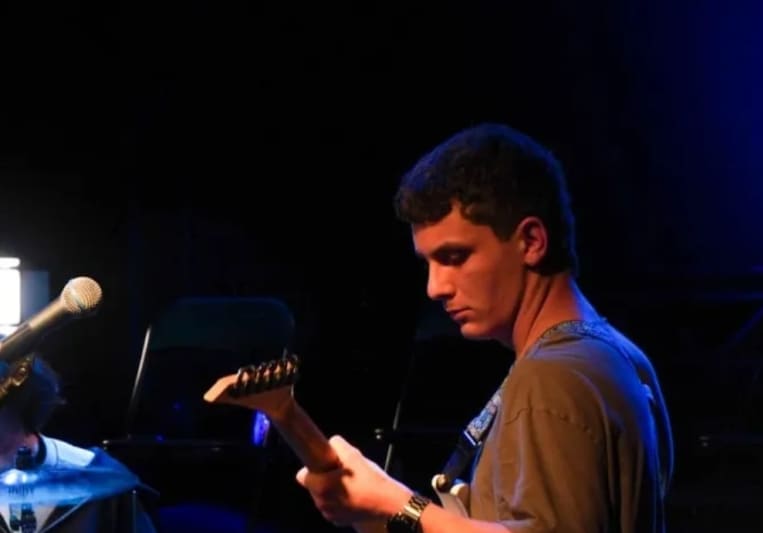
I was the Guitarist, recording, mixing and mastering engineer in this production
- Sound DesignAverage price - $50 per minute
- RemixingAverage price - $50 per song
- RestorationAverage price - $50 per hour
- Post EditingAverage price - $50 per track
- Post MixingAverage price - $50 per minute
- Mixing EngineerAverage price - $50 per song
- Mastering EngineerAverage price - $30 per song
As many revisions as you need, typical turn-around time is within a week
- Gojira
- Incubus
- TOOL